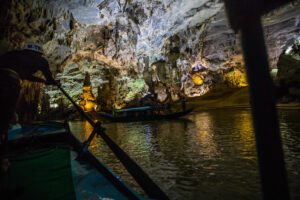
Discover Paradise Cave: Vietnam’s Enchanting Underground Marvel in Quang Binh
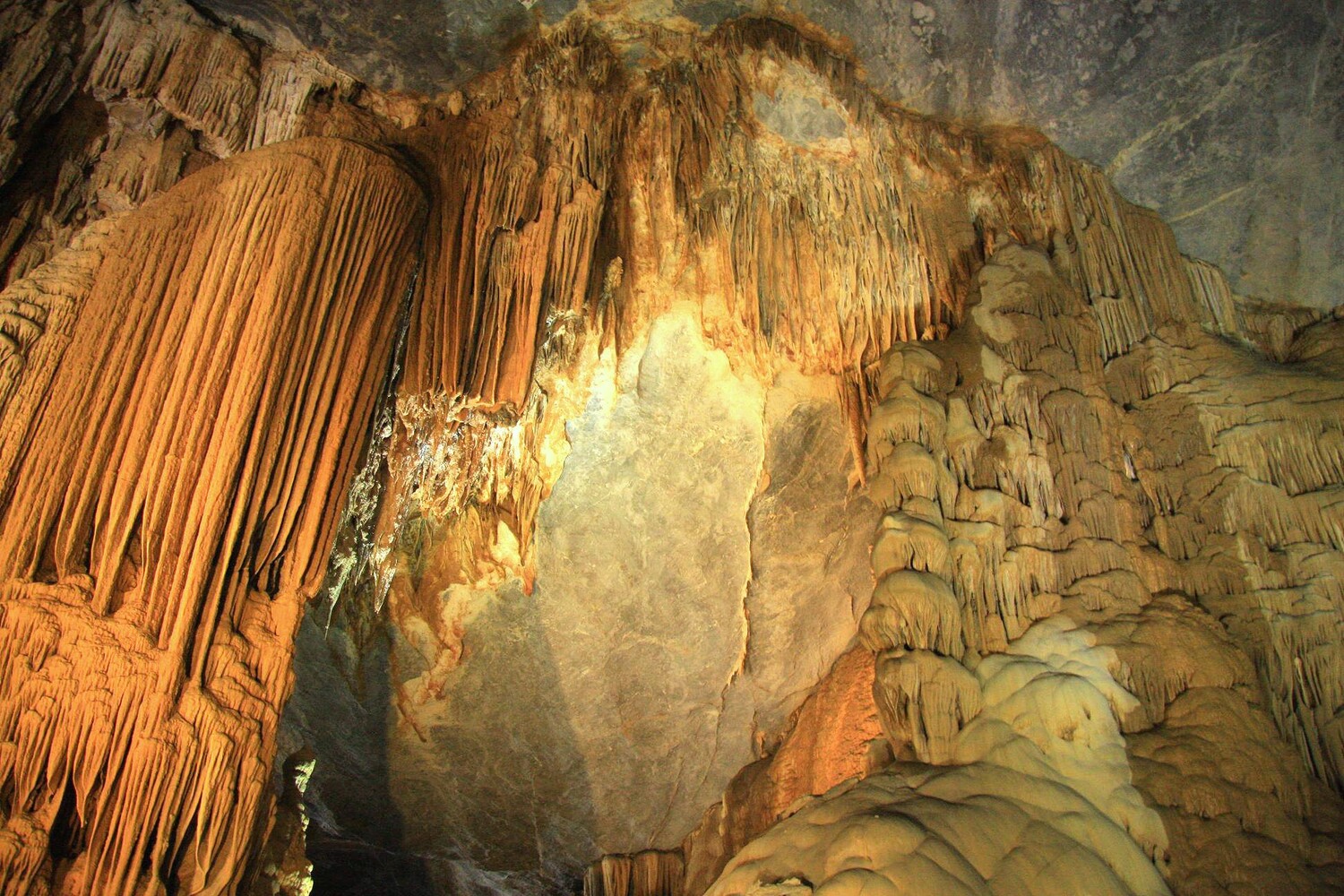
Paradise Cave stands as one of Vietnam’s most breathtaking caves, nestled in Phong Nha-Ke Bang National Park in Quang Binh province. Recognized by UNESCO as a World Natural Heritage site, it boasts stunning stalactites, underground rivers, and ethereal landscapes that resemble a heavenly realm. This article delves deeply into its geological history, unique features, exciting tourism activities, and ideal tour suggestions. Drawing from reliable sources like UNESCO and the National Park Management Board, we aim to guide both domestic and international travelers in planning their journeys. My Tam Travel is dedicated to enhancing cultural and historical values, offering reliable, heartfelt, and professional services to help you uncover Vietnam’s timeless treasures


1. Overview of Paradise Cave
1.1. Geographical Location and Key Features
Paradise Cave is located in Son Trach commune, Bo Trach district, Quang Binh province, about 70 km northwest of Dong Hoi city. It belongs to the Phong Nha-Ke Bang karst system, stretching up to 31 km based on data from the British Cave Research Association in 2005. Additionally, the cave sits at an elevation of 360 meters above sea level, providing a cool climate year-round. Therefore, it serves as an ideal spot for nature enthusiasts seeking untouched wilderness.
The cave’s diverse stalactite formations include pillars, curtains, and underground lakes, creating a mystical ambiance. According to UNESCO reports, it houses over 100 types of stalactites, some reaching 80 meters high. As a result, visitors often liken it to a true paradise. Moreover, it serves as a habitat for rare species like bats and endemic insects.
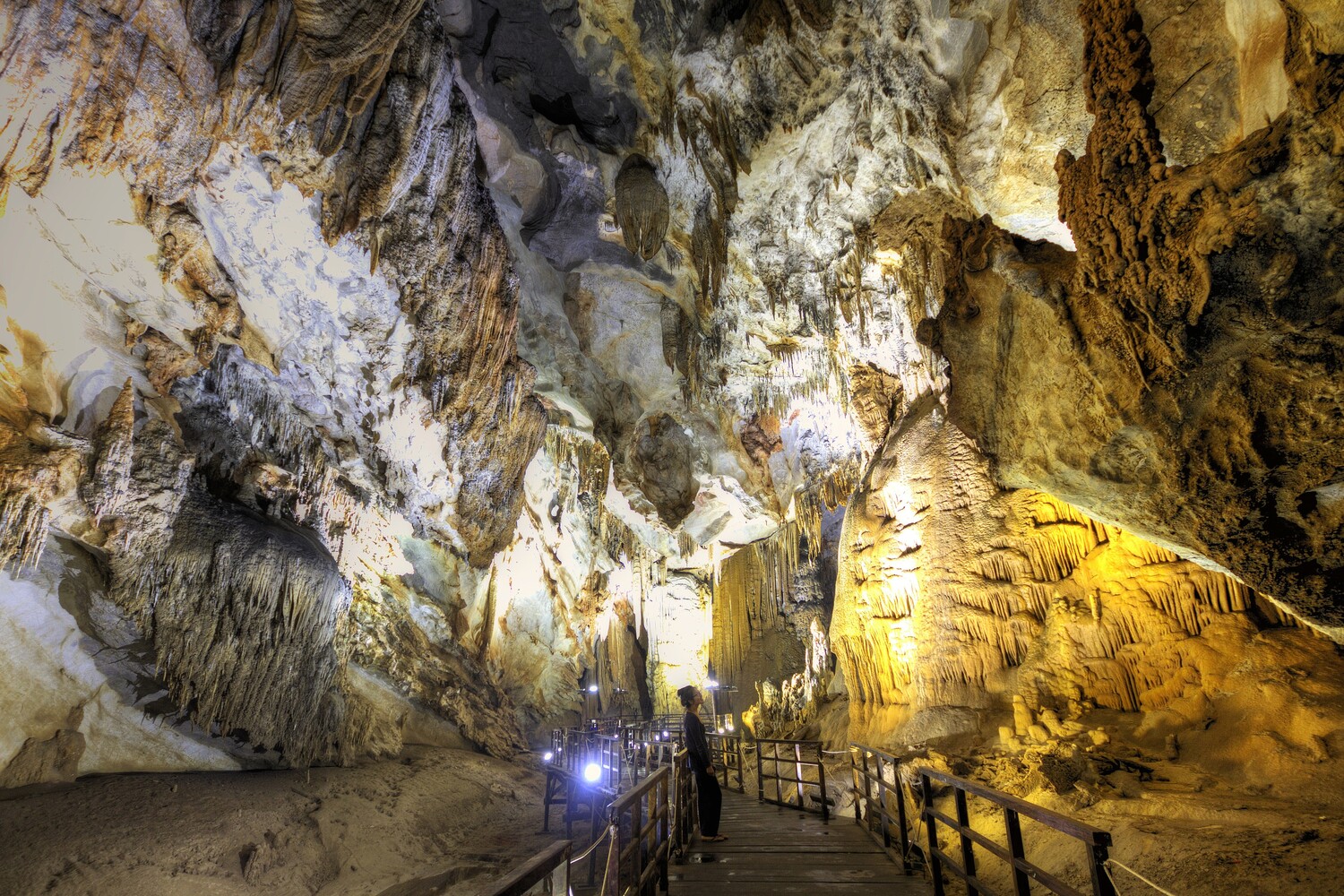
Exploring the cave requires good fitness due to the steep 1 km entrance path. However, modern wooden stairways make navigation easier. Consequently, it attracts over 500,000 visitors annually, per Quang Binh Tourism Department’s 2022 statistics.
1.2. Cultural and Historical Significance
Paradise Cave is not just a natural wonder but also holds deep cultural value for Vietnamese people. Its name “Paradise” stems from its magnificent beauty, echoing folk legends of heavenly abodes. Furthermore, it played a role in wartime history as a shelter for soldiers. Thus, tours often include insights into these historical remnants.
In local culture, the cave symbolizes mystery and enduring vitality. Documents from Vietnam’s Institute of Archaeology indicate human awareness of the cave dates back thousands of years. Therefore, it inspires various artworks and traditional festivals.
Tourism here aids in preserving ethnic heritage. Programs frequently incorporate folklore storytelling, helping visitors connect with Quang Binh’s identity. Additionally, it boosts the local economy by employing over 200 guides, as reported in 2023.
1.3. Reasons to Visit Paradise Cave
Paradise Cave captivates with its unparalleled beauty, unmatched elsewhere. Modern lighting highlights shimmering stalactites like crystals. Therefore, it’s perfect for photography lovers and adventurers. Consequently, National Geographic ranks it among the world’s top 10 caves.
Beyond aesthetics, it offers educational value in geology. Studies from Hanoi University of Natural Sciences show formation began 400 million years ago via limestone erosion. Thus, informative panels teach about nature’s wonders.
Moreover, it’s an excellent stop in Central Vietnam tours. Entrance fees are just 250,000 VND per adult as of 2024, making it accessible. Additionally, nearby dining and lodging enhance convenience.
2. Formation History and Discovery of Paradise Cave
2.1. Geological Formation Process
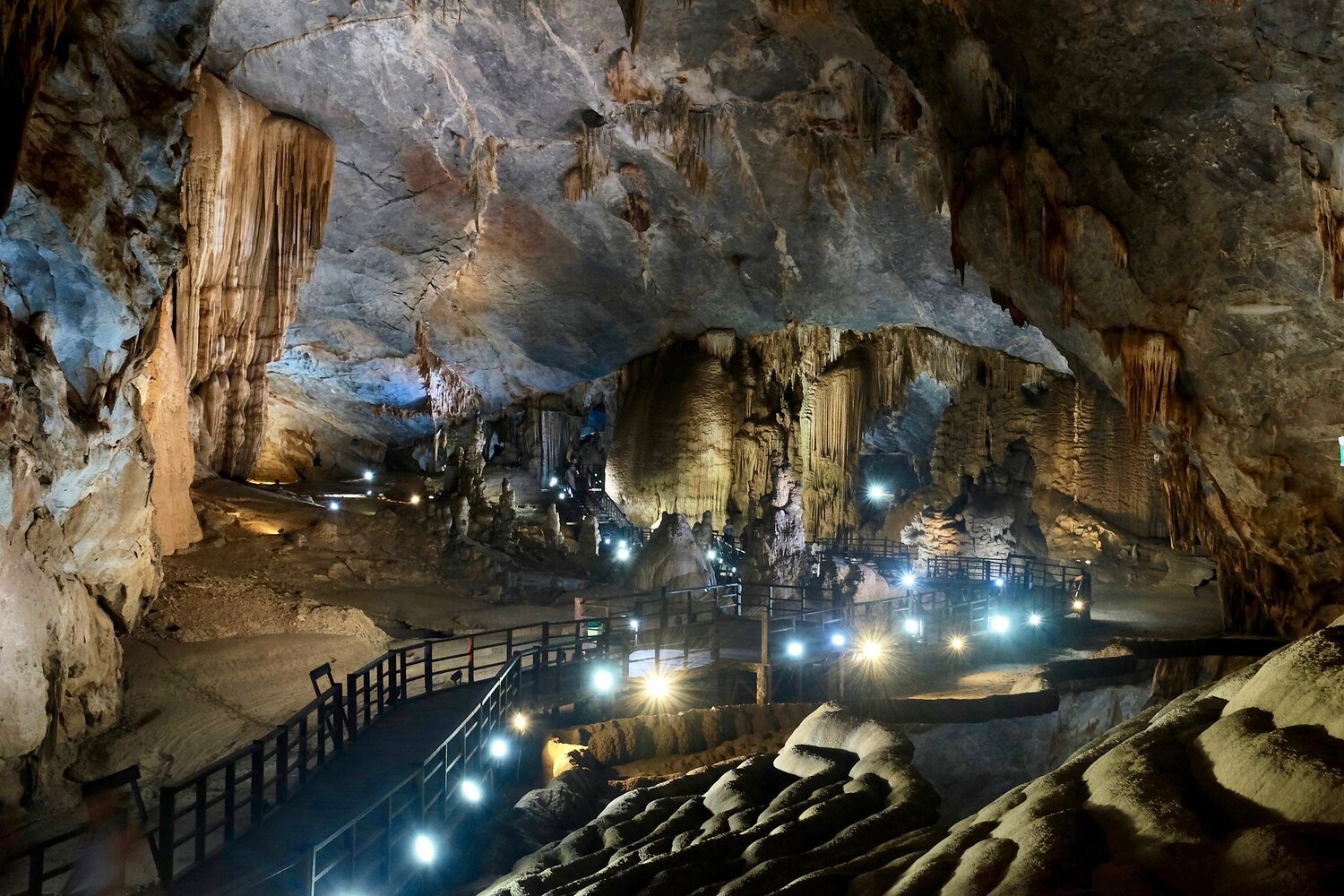
Paradise Cave formed during the Paleozoic era, around 400 million years ago, through acidic rainwater dissolving limestone. Data from the USGS indicates stalactite growth at about 1 mm per century. Therefore, its massive columns result from millennia of changes. As a result, it stands as a vivid testament to Earth’s history.
Additionally, an underground river spans 7 km, fostering a rich ecosystem. Water flows at an average of 2 m³ per second, depositing minerals for stalactites. Research from Vietnam’s Institute of Geology in 2010 notes over 50 underground lakes up to 10 meters deep.
Formation is influenced by climate shifts. Thick 200-meter limestone layers eroded over time, creating vast spaces. Thus, tours allow clear observation of geological layers.
2.2. Discovery and Conservation History
Local farmer Ho Khanh discovered Paradise Cave in 2005. The British Cave Research Association then surveyed its 31 km length. Consequently, it gained global fame. Moreover, in 2011, UNESCO extended its heritage status to include the cave.